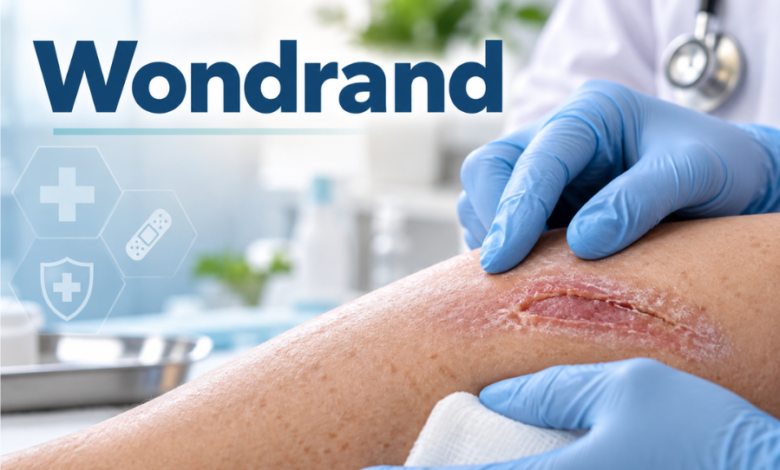
Wondrand is the Dutch term for the edge of a wound, the boundary where damaged tissue meets the surrounding skin. Although it sounds unfamiliar to English-speaking patients, the concept is central to wound assessment. New skin often advances across an open wound from this margin, making changes at the border an important sign of healing progress.
A wound’s centre may attract the most attention, yet the edge can reveal problems that a quick glance misses. Excess moisture, curled tissue or a pocket beneath the skin may interfere with closure. Understanding the term helps people interpret Dutch healthcare notes and recognise why clinicians examine more than the visible injury. It also explains which changes deserve monitoring, without turning appearance alone into a diagnosis.
What Wondrand Means in Medical Language
The word combines the Dutch wond, meaning wound, and rand, meaning edge or border. Its plural, wondranden, refers to wound edges. English-language clinicians generally use wound edge, wound margin or epithelial margin for the same anatomical area.
It is a descriptive term rather than the name of a condition, product or procedure. A wound margin might be smooth and advancing, thickened, inflamed or separated from underlying tissue.
The distinction matters when translating clinical documents. Dutch healthcare information standards maintained through Nictiz include a WondRand terminology set, with concepts for epithelialisation, skin irritation, tissue undermining and maceration. These categories help professionals record consistent observations rather than relying on vague descriptions such as “bad-looking edge”.
The Place Where a Wound Begins to Close
Skin repair involves several overlapping biological processes. Bleeding is controlled first, followed by inflammation that helps clear damaged material and defend the injured area. New connective tissue and blood vessels then develop, while surface cells gradually restore the protective skin barrier.
At an open wound, epithelial cells can migrate from surviving skin at the margin towards the centre. This process, called epithelialisation, may produce a delicate, sometimes pale or pink-looking border. Depending on the wound, new skin can also develop from surviving structures within the wound bed.
Successful healing therefore involves more than forming a scab. The underlying tissue needs sufficient support for surface cells to cross, and the margin must remain protected from repeated injury. As repair progresses, clinicians may see the exposed surface shrink and measure a reduction in wound dimensions.
Not every injury heals in precisely the same way. Surgical incisions are often closed with stitches, staples, adhesive strips or medical glue, allowing their edges to meet. Larger open wounds may heal gradually by filling with new tissue before surface coverage develops. These different pathways help explain why a normal-looking margin varies between injuries.
What a Healthy Wound Edge Can Look Like
There is no single colour or shape that proves a wound is healing properly. Appearance depends on wound depth, location, skin tone, circulation, treatment and the stage of repair.
Nevertheless, progress often includes an advancing rim of new surface tissue, less exposed wound area and an edge that remains intact rather than repeatedly breaking down. In some wounds, swelling and inflammation ease as healing proceeds. Tracking these changes over time is more useful than comparing an injury with an unrelated photograph online.
Colour deserves particular caution. Healthy new skin may look pink on lighter skin but can be harder to distinguish by colour alone on darker skin. Lighting, dressings and moisture can also alter appearance. Pain, warmth, texture, drainage and changes in size provide additional context.
Four Wound-Edge Changes That Deserve Attention
Maceration: When Moisture Softens the Border
Maceration occurs when skin remains excessively wet, often because wound fluid collects beneath a dressing or reaches surrounding tissue. The affected margin may appear soft, pale, wrinkled or fragile. On darker skin, texture and unusual softness may be more informative than whiteness.
Moisture is not inherently harmful: appropriately balanced moisture supports healing. The problem is prolonged saturation, which can damage otherwise intact skin. Clinicians assess drainage levels and whether a different absorbent dressing or skin-protection approach is needed.
Rolled Edges: When Skin Stops Moving Across
A rolled or curled wound margin is sometimes called epibole. Instead of extending across the wound surface, the edge turns inward or becomes thickened. It can be associated with an injury that is no longer closing as expected.
This finding needs professional evaluation, not attempts to trim or scrape the skin at home. A clinician may assess pressure, inflammation, tissue condition and other causes before deciding whether specialist treatment is appropriate. An unusual persistent edge also warrants investigation rather than an assumption that it is harmless scar tissue.
Undermining: When Damage Extends Beneath Skin
Undermining means a space extends under apparently intact skin alongside an open wound. The visible opening can therefore understate the full extent of tissue damage. Pressure injuries and other complex wounds may develop this pattern.
Healthcare professionals can document the position and extent of undermining using appropriate assessment techniques. Patients should not probe a wound themselves: doing so can cause injury or introduce contamination. A suspected pocket beneath the edge is a reason to seek trained assessment.
Irritation and an Edge That Does Not Advance
Redness, itch, soreness or skin breakdown at the margin may reflect friction, excessive drainage, an adhesive reaction or infection. These problems can have different causes and require different responses. Persistent inflammation, worsening pain or visible skin breakdown deserves professional review.
Why the Wound Bed and Surrounding Skin Matter Too
The wound edge cannot be assessed in isolation. Clinicians distinguish the wound bed, the exposed tissue inside the injury, from the margin and the periwound skin immediately outside it. Each area supplies different evidence about healing.
A wound bed may contain healthy granulation tissue, dead tissue or fluid. Meanwhile, the surrounding skin may show swelling, dermatitis, dryness or damage from drainage. Protecting the margin without addressing these neighbouring problems may leave the underlying cause untouched.
One widely used clinical framework is TIME: Tissue, Infection or Inflammation, Moisture balance, and Edge advancement. Dutch wound-care resources and UK clinical guidance use this structured approach to identify barriers to healing. It encourages teams to assess the whole wound rather than fixating on a single colour or symptom.
Why an Edge May Stop Healing
A wound may remain open because local conditions are unfavourable or because an underlying health problem limits repair. Repeated pressure, rubbing and movement can disturb fragile new tissue. Persistent moisture can damage the margin, while excessive dryness can hinder surface-cell migration.
Blood supply is another critical factor. Peripheral arterial disease can restrict oxygen delivery to injured tissue; diabetes may complicate healing through several mechanisms, including circulation and nerve problems. Swelling, infection and some medicines can further affect progress.
A non-healing foot wound in someone with diabetes deserves prompt clinical assessment, even when pain is surprisingly mild. Reduced sensation may disguise damage. Likewise, persistent leg ulcers can require assessment of circulation and swelling rather than simply another dressing.
Nutrition, mobility and wider medical conditions can influence recovery, but no single factor explains every delayed wound. A proper assessment asks what kind of wound developed, why it developed and whether its cause remains active.
How Clinicians Protect the Wound Margin
Treatment aims to establish conditions in which tissue can repair itself. Depending on the injury, professionals may cleanse the wound, select a suitable dressing, manage drainage, protect nearby skin and address pressure or circulation problems.
Dressings are chosen according to the wound’s needs, not because one material is universally superior. A wound producing substantial fluid may require greater absorption, whereas a dry wound may need a different moisture strategy. Gentle, non-adherent materials can help reduce trauma when dressings are changed.
Skin barriers may protect surrounding tissue from moisture or adhesive damage. If dead tissue or hardened edges are obstructing healing, a suitably trained professional may consider debridement, the controlled removal of unwanted material. This is not a safe do-it-yourself technique.
More complex treatment might involve specialist tissue-viability nurses, podiatrists, vascular clinicians or a wound-care service.
Caring for a Minor Wound Without Damaging Its Edge
For an uncomplicated small cut or graze, NHS advice centres on controlling bleeding, cleaning the injury and covering it with a suitable dressing. Clean hands matter before wound care. Tap water can be used to rinse a minor wound, while the surrounding skin can be cleaned gently.
Keep the dressing clean and follow advice about when it should be changed. Repeatedly removing a covering to inspect the injury can disturb delicate tissue, particularly if material sticks to the surface. Avoid picking at scabs, cutting hardened skin or using harsh products without clinical advice.
Observe the overall trend instead: is the opening becoming smaller, is discomfort improving, and is the surrounding skin staying intact? A clinician’s follow-up schedule takes priority for surgical wounds, deep injuries and ulcers. Home observation cannot replace assessment when healing is delayed.
When a Changing Wondrand Needs Medical Attention
Increasing pain, spreading redness or discolouration, swelling, unusual warmth, pus, fever or feeling unwell can indicate infection or another complication. An incision that opens after being closed also needs prompt assessment. On darker skin, warmth, tenderness and swelling may be more noticeable than visible redness.
Seek urgent medical advice for these changes, a deep or dirty wound, an animal or human bite, or an injury that is not healing as expected. Uncontrolled bleeding, loss of sensation, difficulty moving the affected area or a very large wound requires emergency assessment. People with diabetes or poor circulation should seek early help for new foot wounds.
Conclusion
Wondrand means wound edge, but the term highlights a clinically important part of skin repair. An advancing, protected margin can support closure; a softened, rolled, undermined or persistently damaged edge may reveal barriers that need attention. Accurate wound assessment considers the bed, surrounding skin, underlying health and changes over time. For patients encountering Dutch medical notes, knowing the word provides useful context—not a substitute for professional judgement.
FAQs
What does Wondrand mean in English?
Wondrand is Dutch for “wound edge” or “wound margin”. It describes the border between an open wound and adjacent skin. In medical documentation, professionals may use the term when recording whether new skin is forming, whether the edge is damaged or whether tissue extends beneath it.
Is Wondrand a medical condition or treatment?
No. It is an anatomical description, not the name of a disease, dressing or therapy. The condition of a wound’s edge can help clinicians understand healing, but a finding such as irritation or undermining still requires interpretation alongside symptoms, medical history and an examination.
Why does the skin around a wound look white?
White, soft or wrinkled skin can be caused by maceration, particularly when excess fluid remains against the area. Newly forming surface tissue may also look pale. Colour alone cannot reliably distinguish these possibilities, and changes should be assessed alongside moisture, texture, pain and the wound’s overall progress.
Can a wound heal if its edges are rolled?
Rolled edges can prevent normal surface-cell movement and are associated with delayed healing. They do not establish the outcome on their own. A wound-care professional can assess the cause and decide whether treating the underlying problem, adjusting dressings or specialist intervention is needed. Do not cut or scrape the edge yourself.
When should I see a doctor about a wound edge?
Arrange medical assessment if a wound becomes increasingly painful, swollen, hot, produces pus, opens unexpectedly or stops progressing. Fever or feeling unwell strengthens the need for prompt advice. Seek emergency care for uncontrolled bleeding or serious injury, and get early professional help for foot wounds if you have diabetes.