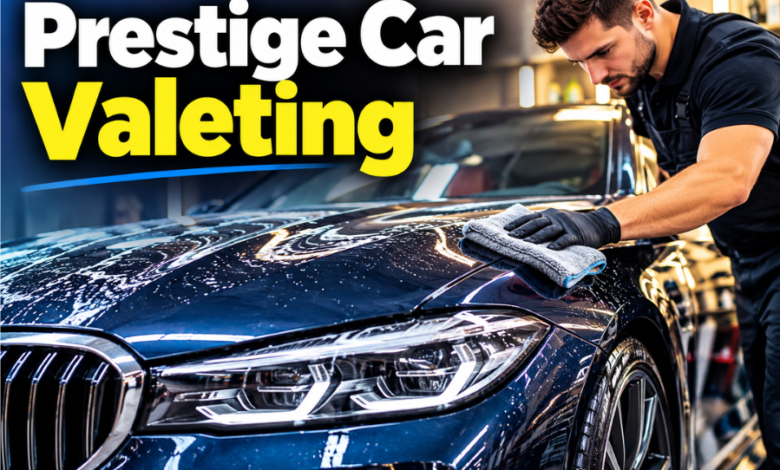
Luxury vehicles can have delicate finishes, intricate wheels and interiors combining leather, technical fabrics and polished trim. Cleaning them properly demands more judgement than simply applying stronger chemicals or spending longer with a pressure washer. Prestige car valeting addresses that challenge through considered washing, careful interior treatment and services tailored to a vehicle’s materials and condition.
The phrase describes premium vehicle care, not one nationwide operator; independent businesses also use it in their names. The questions are what a professional actually does, which treatments justify their cost and how to avoid concealed damage. The answers begin with the distinction between cleaning, restoration and protection.
Why a Premium Valet Is More Than an Expensive Car Wash
A conventional wash concentrates on removing visible road dirt. A properly specified valet covers more surfaces, gives the cabin attention and takes account of vulnerable materials. Good valeting minimises paint contact, respects existing finishes and documents defects.
Crucially, prestige is not a regulated technical grade. A business can use the term without following a single industry-wide package specification. One company’s full valet might include upholstery extraction and exterior wax; another may reserve both for a higher tier. Owners should compare the actual process rather than Bronze, Gold or Platinum labels.
In the United States, similar work is often called premium auto detailing. Routine cleaning removes dirt; corrective detailing addresses certain imperfections.
The Exterior Process: Fewer Scratches, Not Just More Shine
Inspection Comes Before the Water
A careful operator starts by checking paint, wheels, badges, exterior plastics and previous coatings. Existing chips, damaged lacquer, loose trim or failing paint protection film should be recorded. Inspection establishes what can safely be cleaned and helps prevent disputes.
Loose grit is the immediate enemy. Dragging it across paint with a wash mitt can produce fine marks that become obvious under direct sunlight, particularly on dark finishes. Technique matters more than dramatic foam.
Pre-Wash, Contact Wash and Drying
Professional suppliers such as Autoglym recommend a staged approach: pre-wash, wash, decontamination where needed, polish when appropriate and then protection. A pre-wash loosens surface dirt before physical contact. The hand wash uses suitable shampoo, clean mitts and controlled rinsing.
Wheel cleaning requires separate tools because brake dust and road contamination should not be transferred onto body panels. Pressure washers require care around damaged paint and seals. After rinsing, clean drying towels or carefully used air equipment help limit watermarks and additional rubbing.
Tar, embedded iron particles and other bonded deposits may call for targeted chemical decontamination or a clay treatment. Neither is always necessary: poorly used clay can mar paint.
The Interior Is Where Expertise Becomes Visible
A premium cabin can contain different materials within a single seat. Leather bolsters may sit beside synthetic suede, perforated panels, contrast stitching and delicate controls. A universal cleaner applied generously across everything is not a professional strategy.
Careful vacuuming and suitable products matter, including around rails, pockets, boot compartments and controls. Fabric extraction requires moisture control and adequate drying.
Alcantara offers a useful example of why manufacturer guidance matters. Its official care advice recommends soft brushing and lightly dampened cloths for routine maintenance, while discouraging vigorous rubbing and direct steam. Rough cleaning can alter a delicate surface.
Leather also deserves a measured approach. Cleaning does not mean soaking, aggressive scrubbing or automatically coating every surface in glossy conditioner. Follow the vehicle maker’s guidance; upholstery should feel natural, not slippery.
Wax, Ceramic Coatings and Paint Protection Film Are Different Products
These services frequently appear on the same premium price list, but they solve different problems. Wax or a synthetic sealant supplies a sacrificial layer and can make routine washing easier. Longevity varies with exposure and upkeep.
A professionally applied ceramic coating offers more persistent chemical resistance and hydrophobic behaviour when properly prepared and maintained. Gtechniq, a specialist coating manufacturer, explicitly cautions that ceramic coatings do not make paint scratch-proof and cannot prevent stone chips. Nor do they erase existing swirls.
Paint protection film, or PPF, takes a different approach. Products from manufacturers such as 3M use a transparent physical film intended to defend vulnerable panels against chips and abrasion. Some films self-heal minor surface marks; warranties vary.
Preparation and suitability determine value. Applying an expensive coating over contaminated, visibly scratched paint will not magically improve the underlying finish. Installers should explain preparation, curing, maintenance and warranties.
When Paint Correction Is Worth Considering
Machine polishing can reduce certain fine swirls, light scratches and oxidation in suitable paint systems. It also removes a small amount of material, making restraint essential. Excessive polishing risks thin or previously repaired paint.
A competent specialist assesses defects under appropriate lighting and discusses achievable improvement before starting. For daily drivers, moderate enhancement can balance appearance and preservation. Deeper scratches that penetrate the paint cannot simply be polished away without consequences.
Classic cars warrant even greater caution. Original paint may have historic value; chasing mirror gloss can destroy it.
Special Finishes Require Different Rules
Matte or satin paint cannot generally be treated like conventional glossy lacquer: abrasive polishing may create shiny patches that are difficult to reverse. Vinyl wraps, carbon-fibre trim, chrome accents and coated wheels also have distinct care requirements. A prestige specialist should identify these finishes before selecting products.
Convertible fabric roofs need controlled cleaning and, where suitable, dedicated weatherproofing. Cabriolet seals and drainage areas deserve care too. Performance-car wheels and brakes require suitable cleaners.
Electric vehicles introduce additional practical considerations, not an entirely new cleaning science. Charge-port covers, cameras, sensors and exterior electronic components require observance of the maker’s washing instructions. No method suits every model.
What Prestige Car Valeting Costs—and What the Quote Should Explain
Published prices show how broad the category is. Prestige Auto & Graphics in Northern Ireland advertises a safe wash from £20, a mini valet from £40 and a full valet from £80. Another UK operator, Prestige Valet, publishes more elaborate packages, including a Platinum tier starting at £160 for cars. These are advertised examples, not national averages.
The final price depends on vehicle size, condition, location, access, service duration and the work included. Pet hair, stains and neglected paint increase labour. Professional paint correction, long-life ceramic coatings and PPF installation are separate specialist services, frequently quoted after inspection.
Ask whether the fee includes VAT or local sales tax, travel, wheel treatment, upholstery shampooing, protection products and any preparatory work. A cheap package may omit essentials; an expensive car does not automatically need expensive treatment.
Mobile appointments offer convenience but depend on appropriate space, weather, water and electricity arrangements. A controlled workshop can be preferable for multi-stage polishing or coating applications requiring stable conditions. The quote should state realistic outcomes.
How to Recognise a Trustworthy Specialist
Seek comparable before-and-after photographs and a written treatment plan. Ask when the technician would decline treatment.
Insurance matters when someone is handling a valuable vehicle. Check the provider’s cover for vehicles in their care, custody or control, and whether collection, delivery or driving is included where relevant. General business insurance may not cover customer vehicles.
A professional should also be willing to explain product compatibility, expected maintenance and procedures if something goes wrong. UK consumers have an additional safeguard: the Consumer Rights Act 2015 requires services supplied by traders to be performed with reasonable care and skill. Agree the scope and photograph existing defects.
Beware of permanent or lifetime protection claims without precise written conditions. Check exclusions, maintenance requirements and who handles claims.
Before You Drive Away: The Handover Check
A professional job should stand up to daylight, not just flattering workshop lighting. Walk around the car with the operator and inspect door shuts, lower sills, wheels and glass. These overlooked areas reveal whether the package was completed as described.
Inside, look for cleaner residue on touchscreens and switches, excessive dressing on steering wheels or pedals, and dampness in seats or carpets. Controls must remain safe to use; cosmetic shine is no substitute for grip and visibility. Check that personal belongings, removable mats and accessories have been returned.
If something seems wrong, raise it before leaving and refer to the agreed work description and initial condition photographs. A reputable valeter should distinguish between existing defects, contamination that could not safely be removed and any work requiring correction.
Environmental Responsibility Is Part of Premium Service
A spotless car should not come at the expense of polluted drains. Vehicle wash water can contain detergents, oils, metals and road residues. UK government guidance says businesses must prevent contaminated water entering surface-water drains and use appropriate collection, treatment or authorised disposal arrangements.
The United States Environmental Protection Agency likewise warns that driveway wash water can reach waterways through storm drains. It encourages responsible water use and properly managed commercial washing systems. Mobile valeters should explain their runoff controls.
Lower-water cleaning can be useful in suitable circumstances, but it does not justify rubbing gritty paint without adequate lubrication and contamination removal. Environmental care must not compromise paint safety.
Keeping a Premium Finish Between Visits
Maintenance need not mean a full correction every season. Regular gentle washing, prompt attention to bird droppings and suitable drying are more useful than repeatedly stripping and reapplying products without reason. Owners should follow the instructions for any coating or film already installed.
A weekend car needs different care from a winter commuter. Sensible maintenance is therefore a schedule based on condition, not an automatic subscription to the most expensive package.
Conclusion
Prestige car valeting earns its place through informed decisions, careful technique and respect for a vehicle’s existing materials. The best service does not simply produce impressive reflections; it cleans without needless damage, selects protection realistically and explains its limitations. For luxury, performance and well-kept everyday cars alike, a transparent process is a stronger mark of quality than any premium label.
FAQs
Is Prestige Car Valeting the Same as Car Detailing?
Not exactly. Valeting commonly emphasises cleaning and presentation of the vehicle inside and out. Detailing may include deeper surface preparation, machine polishing and specialist protection. Package contents matter more than labels; a full valet need not include paint correction. Request an itemised quotation before comparing prices.
How Often Should a Luxury Car Receive a Professional Valet?
There is no universal interval. Mileage, storage conditions, local weather and how frequently the car is washed all affect its needs. Regularly used vehicles may need maintenance washes and occasional cabin cleaning. Reserve correction for documented defects, and seek the technician’s advice when protective coatings need inspection.
Can a Ceramic Coating Stop Scratches and Stone Chips?
No. Ceramic coatings help resist environmental contamination and make some cleaning easier, but they do not make automotive paint scratch-proof. For stone impacts, consider paint protection film. Neither treatment guarantees immunity, and both demand sensible maintenance to perform well.
Is Mobile Prestige Car Valeting as Good as Workshop Treatment?
A capable mobile specialist can perform excellent routine cleaning where there is safe access, sufficient space and suitable conditions. Multi-stage polishing, intensive drying and certain coating applications may be easier to control indoors. Judge the provider’s facilities and proposed method against the work required rather than assuming one location is always superior.
Does a Professional Valet Increase a Car’s Resale Value?
Good presentation can help buyers assess a vehicle and may support its marketability, but no particular increase in selling price is guaranteed. Cleaning cannot remove mechanical faults, structural damage or an incomplete service history. For a forthcoming sale, prioritise honest presentation, clean upholstery and clear documentation over unnecessary cosmetic packages.