
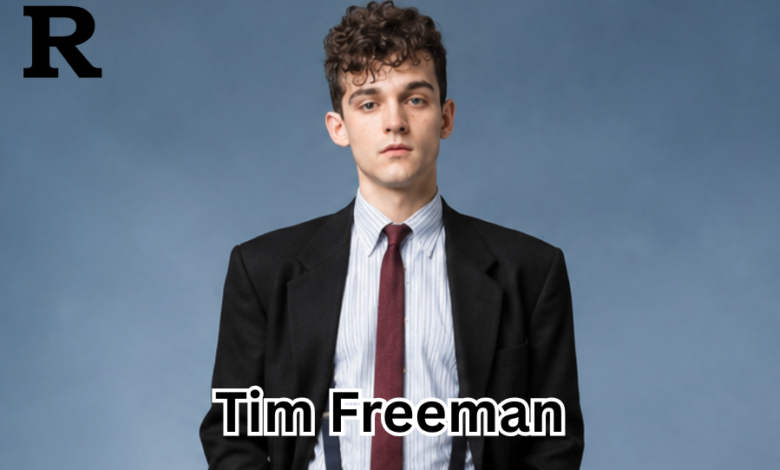
Tim Freeman helped create one of British alternative pop’s most recognisable sounds without relying on a conventional rock-band formula. As the singer, songwriter and keyboardist of Brighton group Frazier Chorus, he paired softly spoken vocals with synthesisers, woodwind instruments and lyrics that could be unexpectedly sharp.
The band released records through 4AD and Virgin, reached the UK charts and attracted attention in the United States before its original line-up dissolved. Freeman is also the older brother of actor Martin Freeman, but that family connection tells only part of his story.
His work offers a revealing glimpse of late-1980s British pop, when adventurous arrangements and carefully observed everyday life could coexist with commercial ambitions. From the band’s beginnings to its later revival, his career deserves consideration on its own terms.
Quick Bio
| Detail | Information |
|---|---|
| Full Name | Tim Freeman |
| Nationality | British |
| Birthplace | Not publicly verified |
| Date of Birth | Not publicly verified |
| Profession | Singer, Songwriter, Keyboardist |
| Known For | Lead singer of Frazier Chorus |
| Music Genre | Indie Pop, Dream Pop, Alternative Pop |
| Band | Frazier Chorus |
| Band Formed | 1986, Brighton, England |
| Notable Albums | Sue (1989), Ray (1991), Wide Awake (1995) |
| Popular Songs | Cloud 8, Dream Kitchen, Nothing |
| Record Labels | 4AD, Virgin Records |
| Famous Brother | Martin Freeman (Actor) |
| Other Brother | Jamie Freeman (Musician) |
| Marital Status | Not publicly verified |
| Net Worth | Not publicly verified |
A Brighton Band That Rejected the Standard Formula
Frazier Chorus emerged in Brighton during the mid-1980s. Freeman developed the project with flautist Kate Holmes, later joined by clarinettist and programmer Chris Taplin and percussionist Michéle Allardyce. Rather than build their arrangements around electric guitars and a traditional rhythm section, they experimented with keyboards, woodwind, programmed textures and percussion.
Freeman had previously worked in graphic art and advertising. Contemporary interviews suggest that seeing the Durutti Column perform encouraged him and Holmes to explore an unconventional instrumental combination.
The group tried early names including Plop! before settling on Frazier Chorus, a name associated with lettering on an American-style sports jacket.
Why Tim Freeman’s Singing Sounded Different
Freeman rarely approached a song like a conventional powerhouse frontman. His subdued, almost conversational delivery allowed the arrangements to carry much of the emotional movement. Flutes and clarinets softened electronic sounds, while the contrast between gentle melodies and uncomfortable observations gave the songs their edge.
His subject matter also helped distinguish the group. Kitchens, sitting rooms, loneliness, relationships and small disappointments became material for pop songwriting. The domestic setting might sound ordinary, but Freeman often used it to reveal something unsettling beneath an attractive surface.
In interviews from the period, he stressed the importance of words and the effort involved in refining lyrics.
From 4AD Discovery to a Virgin Records Deal
Frazier Chorus first attracted wider attention through independent label 4AD. Their 1987 release “Sloppy Heart” introduced the band’s restrained vocals and airy instrumentation, alongside the tracks “Typical” and “Storm” on the extended format.
The group subsequently signed with Virgin Records, a significant change in scale. Moving to a larger label meant the possibility of greater promotion, distribution and radio exposure, without necessarily abandoning the style that made them unusual.
Their Virgin-era single “Dream Kitchen” signalled that direction. Its polished presentation could be mistaken for straightforward, pleasant pop, yet its underlying story concerned separation and domestic unhappiness. That tension between presentation and meaning became central to Freeman’s songwriting.
Sue: The Album That Established Their Identity
Released in 1989, Sue brought the band’s early ideas into a full-length format. “Dream Kitchen”, “Typical!” and a reworked “Sloppy Heart” presented an accessible side of Frazier Chorus, while the wider album gave space to subtler moods and carefully layered arrangements.
The album reached number 56 on the UK Albums Chart. That was a modest commercial position rather than a major breakthrough, but it demonstrated that an unusual, largely guitar-free sound could reach beyond the independent circuit.
Following the recording of Sue, Allardyce left the line-up. Freeman, Holmes and Taplin continued as a trio, making the band’s next phase more reliant on their balance of songwriting, electronic programming and acoustic colour.
Ray, “Cloud 8” and the American Audience
Frazier Chorus followed with Ray in 1991. The record extended their approach rather than replacing it, combining understated vocals with electronic pop, atmospheric details and increasingly pointed lyrics. Tracks associated with this period include “Cloud 8”, “Nothing” and “Walking on Air”.
“Cloud 8”, issued in 1990, peaked at number 52 on the UK Singles Chart. It also entered American alternative and dance charts, giving the group a presence beyond Britain. “Nothing” actually achieved a slightly higher UK singles peak, reaching number 51, so calling “Cloud 8” their biggest UK hit would be misleading.
The album itself reached number 66 in Britain. American coverage shows that the group also performed live there: a 1991 Washington Post review documented a show at Washington’s 9:30 Club and highlighted their unusual instrumental textures.
A Record Deal Ends and the Group Fractures
Despite chart appearances and overseas interest, Frazier Chorus did not achieve the sales needed to secure a lasting major-label career. Freeman later described the upheaval surrounding Virgin’s sale to EMI as a decisive disruption. The band’s relationship with the label ended, and internal tensions followed.
In a 1996 interview, Freeman recalled that Holmes and Taplin ultimately asked him to leave the group he had helped establish. It was an unusually difficult outcome for a principal songwriter and frontman, and the original version of Frazier Chorus came to an end.
Their experience revealed how vulnerable a mid-ranking pop group could be: international releases and overseas shows offered no guarantee of continued label support.
Wide Awake and a Collaboration With Jamie Freeman
Freeman returned to the name Frazier Chorus for Wide Awake, released in 1995. By then, the project had changed substantially: he was the only member remaining from the original line-up, working with a different group of musicians. Among them was his brother Jamie Freeman, who contributed guitar.
The reunion of the band name did not mean the earlier line-up had reconciled. Freeman explained in a contemporary interview that he sought agreement over its use before moving forward. He had initially considered presenting his new compositions under his own name and writing material for other singers.
Wide Awake therefore represents both continuity and reinvention. Freeman’s distinctive songwriting remained at the centre, but the personnel and circumstances had changed. Unlike Sue and Ray, it did not enter the UK Albums Chart.
The Martin Freeman Connection Beyond Celebrity Curiosity
Tim Freeman is the older brother of Martin Freeman, known for The Office, Sherlock and The Hobbit films. Their connection occasionally brings new listeners to Frazier Chorus, particularly because the actor’s character in The Office was named Tim Canterbury.
BBC America has reported, citing record-label material, that Martin drew inspiration for that character from his musician brother.
The brothers also appeared together in Martin’s 2009 episode of Who Do You Think You Are?, which explored their paternal family history. Their grandfather’s wartime story was central to the programme; Tim’s presence reflected a shared family search rather than a new entertainment venture.
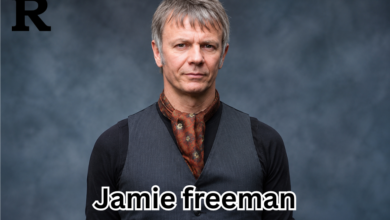
Jamie Freeman, another brother, pursued his own career as a songwriter, performer and producer, including work in British Americana. His involvement with Wide Awake provides a documented musical collaboration within the family.
How Tim Freeman’s Work Is Remembered Today
Frazier Chorus remain associated with an adventurous corner of British pop where subtle singing could coexist with polished production and biting writing. Retrospectives, reissues and specialist music criticism have kept their recordings available for reassessment. A 2025 Classic Pop retrospective, for example, revisited Sue and the band’s overlooked reputation.
The group’s original run and 1990s comeback are well documented, but there is no comparably clear, verified public record establishing a current band, tour or new album led by Tim Freeman. His present-day professional activities should not be confused with historical credits or assumed from streaming listings.
Conclusion
Tim Freeman’s lasting importance lies in the sound and songs he developed with Frazier Chorus. From 4AD’s “Sloppy Heart” to Virgin’s Sue and Ray, and his later return with Wide Awake, he pursued intelligent, quietly subversive pop.
His relationship to Martin Freeman adds a familiar name to the story, but the music remains its central achievement.
FAQs
Is Tim Freeman related to Martin Freeman?
Yes. Tim Freeman is the older brother of British actor Martin Freeman. Their relationship is documented in coverage of the actor’s family and in his 2009 appearance on Who Do You Think You Are?
What band was Tim Freeman in?
He was the singer, songwriter and keyboardist of Frazier Chorus, a Brighton group best known for combining electronic arrangements with flutes, clarinets and understated vocals. The group released Sue in 1989 and Ray in 1991. Freeman later revived its name for Wide Awake in 1995.
What was Frazier Chorus’s biggest song?
“Cloud 8” is among the band’s best-known recordings and crossed into American alternative and dance charts. In Britain, however, “Nothing” reached number 51 on the singles chart, one place higher than “Cloud 8” at number 52.
Did Tim Freeman work with his brother Jamie?
Yes. Jamie Freeman played guitar during the later period of Frazier Chorus and contributed to Wide Awake. Jamie subsequently became known for his own songwriting and production work, particularly in Americana. Tim, Jamie and Martin were siblings, but their professional careers were separate apart from documented collaborations.
Is Tim Freeman still making music, and what is his net worth?
Tim Freeman’s historical recordings are well documented, but reliable recent reporting does not establish an active recording or touring schedule. Likewise, no trustworthy, independently verified figure for his personal net worth is publicly available. Estimates published without clear financial evidence should not be treated as confirmed facts.
READ THIS TOO: Jamie Freeman: The Musician Who Connected British Americana and Nashville



One Comment